Fix and Flip Homes: A Beginner-Friendly Guide for Real Estate Investors
Fix and Flip: The Real Estate Strategy That Can Build Big Profits Fast… If You Do It Right
There is just something satisfying about a good fix and flip.
Maybe it is the before-and-after transformation. Maybe it is the strategy. Maybe it is the fact that you can take a home everyone else overlooked, breathe life back into it, and turn it into a profit. For me, it is all of the above.
Fix and flips are one of my favorite real estate exit strategies because they combine vision, numbers, timing, and execution. They are not passive. They are not always pretty. And they will absolutely humble you if you walk in too confident and underprepared. But when done right? They can be powerful.
If you have ever watched a run-down house turn into the cutest one on the block and thought, “Okayyyy, now that is my kind of project,” this one is for you.
A Real Fix and Flip Example
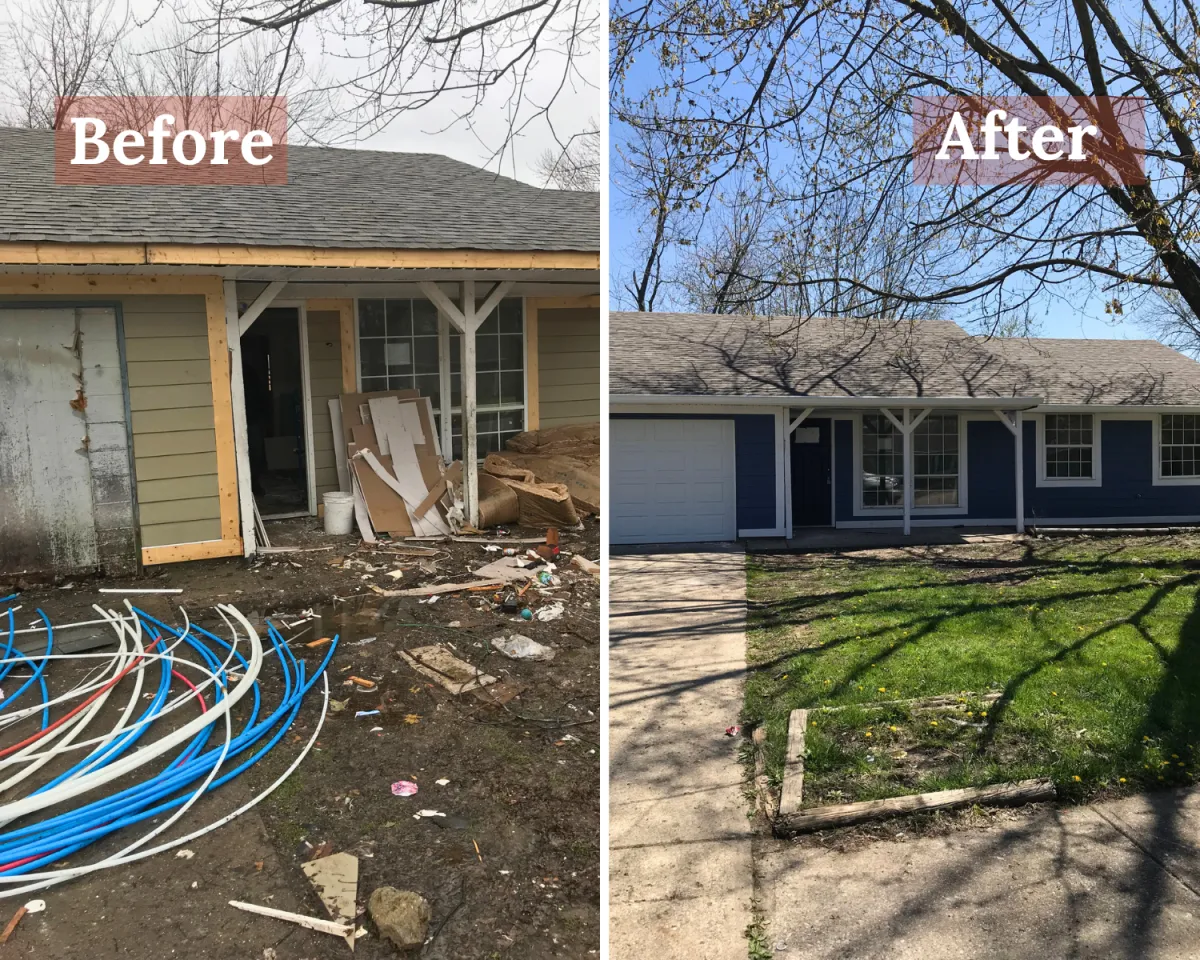
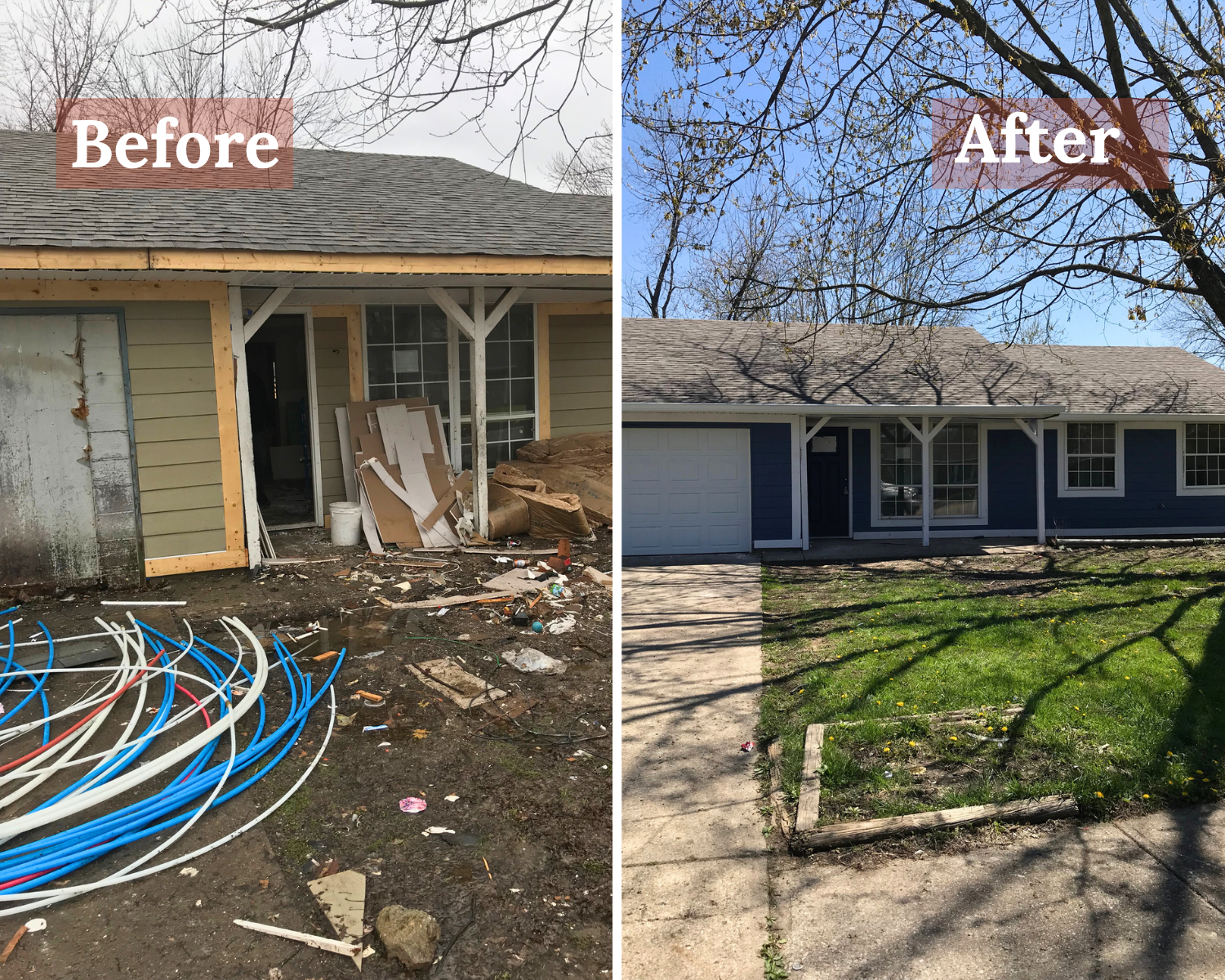
Sometimes the best way to understand a fix and flip is to actually see one.
Here is a real before-and-after from a flip I worked on. This is one of the reasons I love this strategy so much. A great flip is not just about making a house look better. It is about seeing the potential, making smart renovation decisions, and creating real value in a way buyers can feel the moment they pull up.
Before and after of a real fix and flip project
What Is a Fix and Flip?
A fix and flip is when an investor buys a distressed or outdated property, renovates it, and then sells it for a profit.
The goal is simple on paper:
Buy low → renovate smart → sell higher
Simple? Yes. Easy? Not always.
This strategy is much more active than a buy-and-hold rental. You are not buying for long-term cash flow. You are buying with the intention of improving the property quickly and selling it at a higher value.
A successful flip depends on buying the right property, managing the renovation well, controlling costs, and knowing what the resale market wants. That is why this strategy can be exciting… and why it can also turn into a money pit with new cabinets.
Why People Love Fix and Flips
There is a reason this strategy gets so much attention.
1. Faster Profit Potential
Unlike a rental property, where you may build wealth slowly over time, a flip can create a lump-sum profit in a much shorter window.
That is a big reason investors love it. You are not waiting years to see a return. If the numbers work and the project stays on track, you can move much faster.
2. You Get to Force Appreciation
One of the biggest perks of flipping is that you are not just waiting for the market to increase the value. You are actively creating value through improvements.
That means your renovation choices matter. A smart layout, updated kitchen, improved curb appeal, and a clean, marketable finish can make a huge difference in resale value.
3. It Is Tangible and Creative
Some people love spreadsheets. Some people love a transformation. Some people love both.
If you enjoy the process of taking something neglected and making it beautiful again, flipping can be incredibly rewarding. It is strategic, but it is also visual. You get to see the value you are creating.
4. It Can Be Scaled Into a Business
For some investors, fix and flips become more than a side project. They become a real business model.
Once you understand your market, build a good contractor team, and develop a reliable system, flipping can become a repeatable strategy instead of a one-off project.
But Let’s Be Honest: Fix and Flips Are Not for the Weak
This is the part where HGTV usually rolls the credits and skips over the emotional damage.
Because yes, flipping can be profitable. But it can also go sideways fast if you do not know what you are doing.
Here are the big things to consider.
What to Watch Out For
Renovation Overruns Are Real
Let me say this plainly: your budget will try to betray you.
Unexpected repairs happen all the time. Electrical issues, plumbing surprises, foundation problems, roof damage, mold, permits, contractor delays… the house may look like it only needs lipstick, but sometimes it also needs therapy and a full internal rebuild.
That is why smart investors build in a contingency budget. If your numbers only work in a perfect-world scenario, they do not work.
Holding Costs Add Up Quickly
Every extra week you own that property costs money.
Mortgage payments, utilities, insurance, taxes, lawn care, dumpsters, interest, staging, and maintenance all continue while the property sits. If your contractor timeline stretches or the home does not sell right away, those costs can eat into profit fast.
A project that drags is not just annoying. It is expensive.
Market Shifts Can Change the Game
You can do a great renovation and still get hit by market changes.
If buyer demand softens, interest rates rise, or inventory shifts while you are mid-project, your resale price may not look as pretty as it did when you bought the property.
That is why flips need a margin. You do not want to buy so tight that one market hiccup wipes out the deal.
Over-Improving Is a Real Thing
Not every property needs luxury finishes.
One of the biggest mistakes flippers make is renovating for their own taste instead of renovating for the neighborhood and target buyer. Putting ultra-high-end finishes in an area where buyers will not pay for them is a fast way to shrink your return.
This is not the time to install champagne taste on a boxed-wine budget finishes and hope the market claps for you.
What Makes a Good Flip Property?
Not every distressed property is a good deal. Some are opportunities. Some are cautionary tales with peeling paint.
A good flip property usually has a few key things going for it:
Purchased below market value
Located in an area with buyer demand
Has a renovation scope that is clear and manageable
Offers strong resale potential
Leaves enough room in the numbers for profit
It Was Purchased Below Market Value
The profit is made when you buy, not just when you sell. If you overpay at the beginning, the whole project starts with a limp.
It Is in a Market With Buyer Demand
A beautifully renovated home still needs someone ready and willing to buy it. Location matters. Neighborhood demand matters. School districts, price point, and resale trends matter.
The Renovation Scope Is Clear
Cosmetic updates are one thing. Major structural surprises are another. The more clearly you can assess the true condition of the property upfront, the better you can budget and plan.
It Has Strong Resale Potential
You want a finished product that appeals to actual buyers in that area. The end buyer should influence your renovation plan from day one.
The Basic Formula Behind a Flip
At its core, a flip comes down to math.
You need to know:
Purchase price
Renovation costs
Holding costs
Selling costs
Projected resale value
If those numbers leave enough room for profit, you may have a deal.
A lot of investors use a guideline like the 70% rule, which says you generally should not pay more than 70% of the after-repair value minus repair costs.
Example:
After-repair value: $300,000
70% of ARV: $210,000
Estimated repairs: $50,000
Maximum purchase price target: $160,000
That is not a magic formula, and every market is different, but it gives you a starting framework.
Because flipping is not just about finding an ugly house. It is about finding an ugly house with enough room left in the numbers to make the project worth it.
The Biggest Mistakes New Flippers Make
Let’s save some people from learning this the expensive way.
Mistake #1: Buying Based on Emotion Instead of Numbers
Just because a house has potential does not mean it is a good investment.
Potential does not pay the contractor. Math does.
Mistake #2: Underestimating Repairs
If you guess on renovation costs instead of getting real estimates, you are asking for a surprise party you did not want.
Mistake #3: Not Knowing the Resale Buyer
You need to understand who will buy the home once it is done. A family? A first-time buyer? A move-up buyer? Your design choices, finish level, and price point should all align with that buyer.
Mistake #4: Trying to Do Too Much
A lot of first-time flippers overcomplicate the project. Not every property needs walls moved and a dramatic architectural identity crisis.
Sometimes the most profitable renovation is the one that improves the home strategically, not extravagantly.
Mistake #5: Not Building the Right Team
Flips are team sports.
You need reliable contractors, a good lender if financing is involved, and a Realtor who understands both the purchase side and the resale strategy. The wrong team can cost you time, money, and peace.
Who Is Fix and Flip Best For?
This strategy can be a great fit for people who:
Want shorter-term profit potential
Enjoy hands-on projects and active involvement
Are comfortable managing timelines, budgets, and contractors
Understand their local market
Can handle some risk without spiraling into despair over a delayed countertop install
Flipping can be especially attractive to investors who want to build capital faster than a traditional rental might allow. But it does require decision-making, problem-solving, and strong financial discipline.
Why I Love This Strategy
I love a strategy that mixes vision with execution.
A fix and flip is not just about buying a property. It is about seeing what it could become, understanding what the numbers need to say, and creating a product the market will actually respond to.
It is one of my favorite exit strategies because it is active, creative, and rewarding when done right. There is something really exciting about walking into a property that needs help and being able to see the opportunity before everyone else does.
But I also love being honest about what it takes.
This is not a throw some paint on it and become an investor mogul by Friday kind of strategy. It takes planning. It takes margin. It takes the right property, the right team, and the right expectations.
Final Thoughts
Fix and flips can absolutely be profitable. They can also be expensive lessons when people rush in without a plan.
The investors who do well are usually the ones who respect the process. They run the numbers, prepare for the unexpected, understand the market, and stay disciplined throughout the project.
So yes, flipping can be exciting. Yes, it can build wealth. Yes, it can be one of the most satisfying strategies in real estate.
But this is one lane where pretty finishes alone do not save a bad deal.
If you are thinking about getting into investing and want to better understand whether a fix and flip makes sense for your goals, I would love to help you think through it.
Because around here, we like our investment strategies smart, profitable, and just a little sassy.
Ready to Explore Real Estate Investing?
If you are curious about whether a fix and flip could work for you, let’s talk through your goals, your budget, and what opportunities may make sense for you.