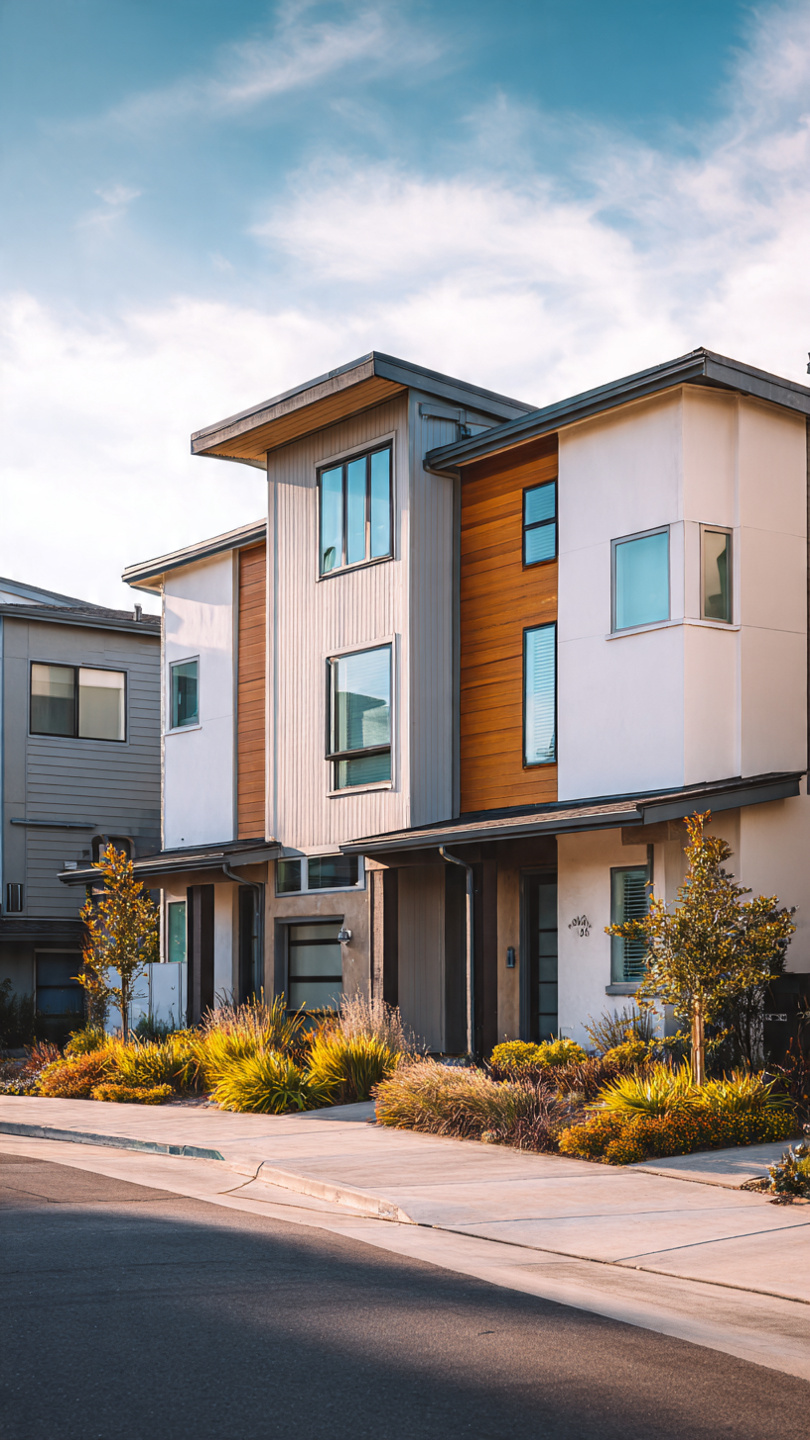
How to House Hack: Live In One, Rent the Rest
If buy-and-hold rentals are the classic long game, house hacking is the strategy that makes people stop mid-conversation and say, “Wait… you can do that?”
Yep. You can.
House hacking is one of the most practical ways to get started in real estate because it helps you reduce your housing cost while learning how investment property works in real life. Instead of waiting until you “have enough money” or “feel ready,” house hacking lets you start where you already are—by buying a property you live in and renting out part of it.
That could mean living in one unit of a duplex, triplex, or fourplex. It could mean renting bedrooms in a single-family home. It could mean using a basement suite or separate living area (where legal and set up properly).
Done right, house hacking can lower your monthly expenses, teach you how to manage real estate with less risk, and set you up for future investing. Done wrong… it can turn your home into an awkward group project with parking disputes. So let’s talk about how to do it the smart way.
What House Hacking Actually Means
At its core, house hacking means you live in the property and rent out part of it.
Common examples include:
Duplex / Triplex / Fourplex: You live in one unit and rent the other unit(s).
Single-family + room rentals: You buy a home and rent out bedrooms.
Basement / guest suite / in-law setup: You rent out a separate space if it’s legal, safe, and set up correctly.
The appeal is simple: instead of carrying your housing cost alone, the property helps carry it with you.
Why People Love House Hacking
House hacking is popular because it can solve multiple problems at once.
Lower monthly living expenses
For most people, housing is the biggest monthly bill. House hacking can reduce that bill significantly—and sometimes dramatically—depending on the setup and rents.
Easier entry point than buying a straight rental
Because you’re living in the property, the path into investing often feels more approachable than jumping straight into a non-owner-occupied rental.
Built-in experience (training wheels)
You learn about rent, maintenance, tenant communication, and property performance while you’re on-site. You’ll quickly figure out what matters, what breaks, and what tenants truly care about… sometimes faster than you’d like. 😅
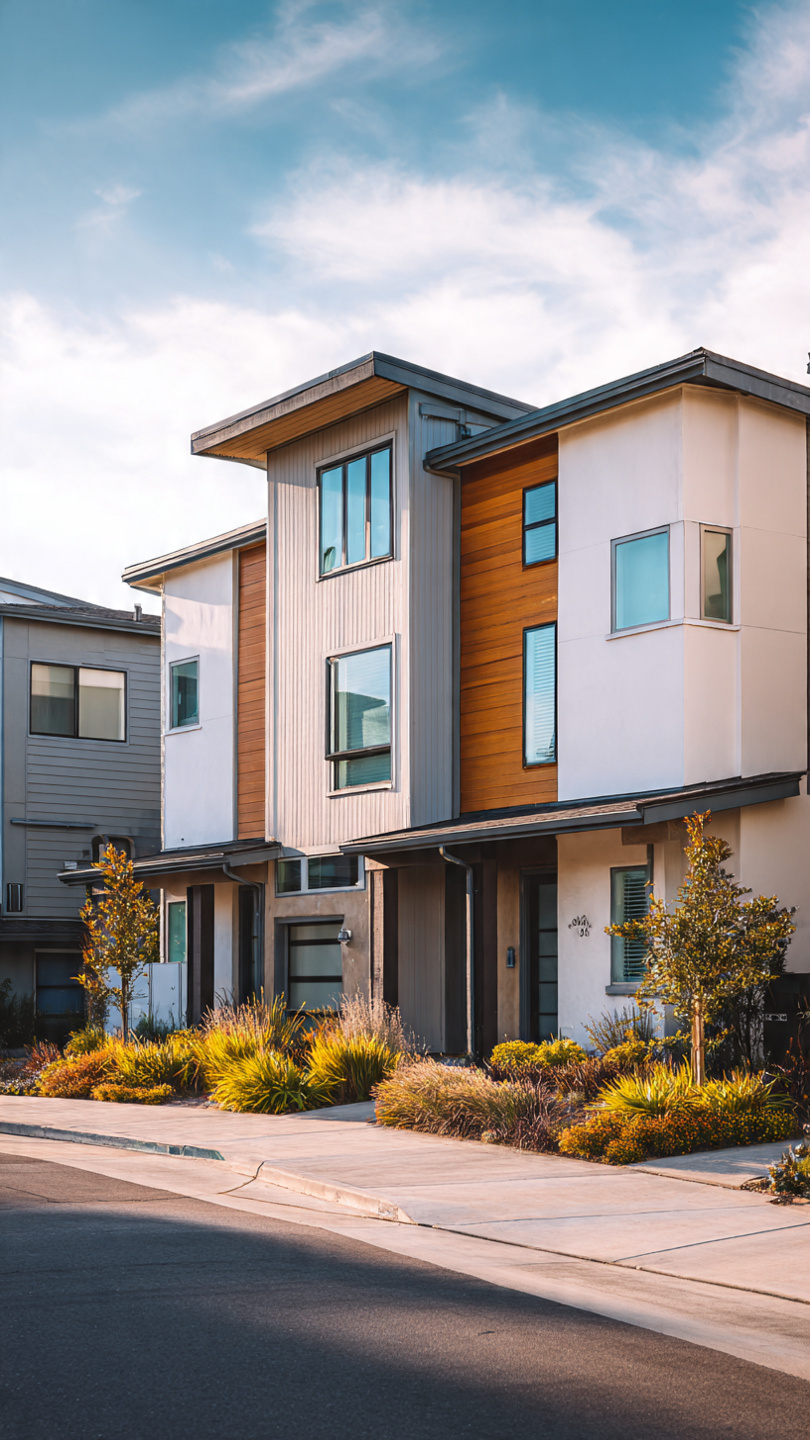
The Different Ways to House Hack
Here’s the honest breakdown of the main house hack styles.
Duplex / Triplex / Fourplex (the classic house hack)
Great for: People who want clearer separation than roommates
Why it works: Multiple income streams + a clean path to turning it into a full rental later
Watch out for: Shared parking, shared laundry, thin walls, and unit condition differences
Single-family + room rentals (the “more inventory” house hack)
Great for: Markets where small multifamily is hard to find or overpriced
Why it works: You can choose from more homes, and you can often reduce your housing cost substantially
Watch out for: Shared kitchens, shared common areas, and the reality of living with other humans (love them… from a distance)
Basement / guest suite / in-law setup (privacy-friendly)
Great for: People who want income but also want to keep their peace
Why it works: Better separation and boundaries
Watch out for: Zoning, permits, egress, and whether it’s actually legal to use as you intend
The Real Goal of a House Hack
A lot of people think the goal is just “live cheap.”
That’s part of it—but the real win is bigger:
Buy a property that works while you live there AND still makes sense after you move out.
Because eventually you’ll want options:
keep it as a full rental
refinance
sell
upgrade into the next property and repeat
The best house hacks don’t trap you. They create choices.
How to Analyze a House Hack (The Smart Way)
House hacks shouldn’t be analyzed like normal homes… and they also shouldn’t be analyzed exactly like traditional rentals. They live in the messy middle.
There are two questions you must answer:
1) What will it cost me to live here each month while I’m house hacking?
This is your effective housing cost.
Start with your total monthly cost:
mortgage payment (principal + interest)
taxes + insurance
HOA (if applicable)
utilities you pay
maintenance reserve
CapEx reserve
turnover/leasing buffer (yes—even as an owner-occupant)
Then subtract the rental income (conservatively).
That final number is what you’re really living with.
2) What happens after I move out?
This is where buyers stop thinking too early.
Ask:
what could my unit rent for later?
what would the property rent for when fully occupied?
does it still cash flow once I’m not living there?
is tenant demand strong for this layout and location?
A house hack can be worth it even if phase two isn’t perfect—but you should know that before you buy.
Expenses People Underestimate (And They Hurt)
House hacks can look amazing on paper… until the “small stuff” shows up monthly.
Utilities
Room rentals and shared living setups can turn utilities into a surprise subscription service. Someone will use the thermostat like it’s a lottery ticket.
Turnover
Room rentals often turn more frequently than standard leases. Turnovers cost money and time.
Maintenance + CapEx
Your HVAC doesn’t care that you’re “just starting.” Reserves are not optional if you want longevity.
Parking + noise + wear-and-tear
These aren’t “minor details” in house hacks. They directly impact tenant satisfaction—and your sanity.
What Makes a Good House Hack Property
The best house hack is not always the prettiest. It’s the one that works on paper AND in real life.
Look for:
Separation in the layout
If possible:
separate entrances
separate parking
private bathrooms
laundry access that doesn’t cause conflict
clear boundaries in shared spaces
Strong tenant demand
Proximity to major employers, hospitals, universities, highways, downtown corridors, and popular neighborhoods matters. Tenant demand is your safety net.
A realistic phase-two plan
When you move out, the property should still be rentable. Ideally, it should still be profitable.
Functional beats fancy
Tenants pay for clean, safe, convenient, and functional. They rarely pay extra because your backsplash is cute (even if it is).
The House Hacking Downsides No One Talks About Enough
House hacking can be great. It can also be… a lot.
You will live closer to tenants
Yes, you might see them in the driveway. A lot. At awkward times. In sweatpants. Both of you. 😅
Boundaries matter more than you think
Parking rules, guests, quiet hours, laundry use, storage, thermostat expectations—these need clarity early.
Not every “bonus space” is legally rentable
Finished doesn’t always mean legal. This matters for:
marketing
insurance
financing
liability
Always verify what the space can be used for.
Where I Come In as Your Realtor (And Why It Matters)
House hacking is not just a home search. It’s a strategy search.
My role isn’t only finding you a property—it’s helping you buy a house hack that matches your goals, protects your privacy, and still makes sense when you move out.
Here’s how I help house hackers specifically:
Property filtering: Not every duplex works. Not every “unit” is actually a unit. Not every layout is livable long-term.
Rent validation: We pressure-test the income side with real-world logic and comps—not just optimistic online estimates.
Layout evaluation: Shared spaces, entrances, laundry, and parking can make or break your experience (and your tenant retention).
Offer + negotiation: We approach the deal with an investor lens—condition, usability, future rentability, and long-term strategy.
Bigger picture planning: We talk phase one and phase two so the property doesn’t only work while you’re living there.
House Hacking Gems (Tiny Details That Make a Big Difference)
Here are a few “nuggets” that separate a decent house hack from a strong one:
Separate entrances often improve rentability AND quality of life.
Laundry access is a bigger deal than most people think.
Parking problems create conflict faster than almost anything.
A property can offset your housing cost well and still be a poor full rental later—plan for that.
Tenant screening matters even more when you live on-site.
The best house hack is the one you can tolerate living in consistently.
Because a strategy can be amazing on paper and still fail if you hate the setup enough to quit early.
House hacking is one of the most practical ways to start building wealth in real estate because it helps you reduce your cost of living while learning how investing works in the real world.
But the best house hacks aren’t just “cheap housing.” They’re smart purchases that work now and still make sense later.
If you’re thinking about house hacking and want help evaluating options, running the numbers, and finding a setup that fits both your goals and your lifestyle, reach out. I’d love to help.
Want to Run the Numbers First?
I put together a House Hack Deal Analyzer that helps you model both phases of the strategy:
while you live there and rent out part of it
after you move out and the whole property becomes a rental
Download it here: How to House Hack