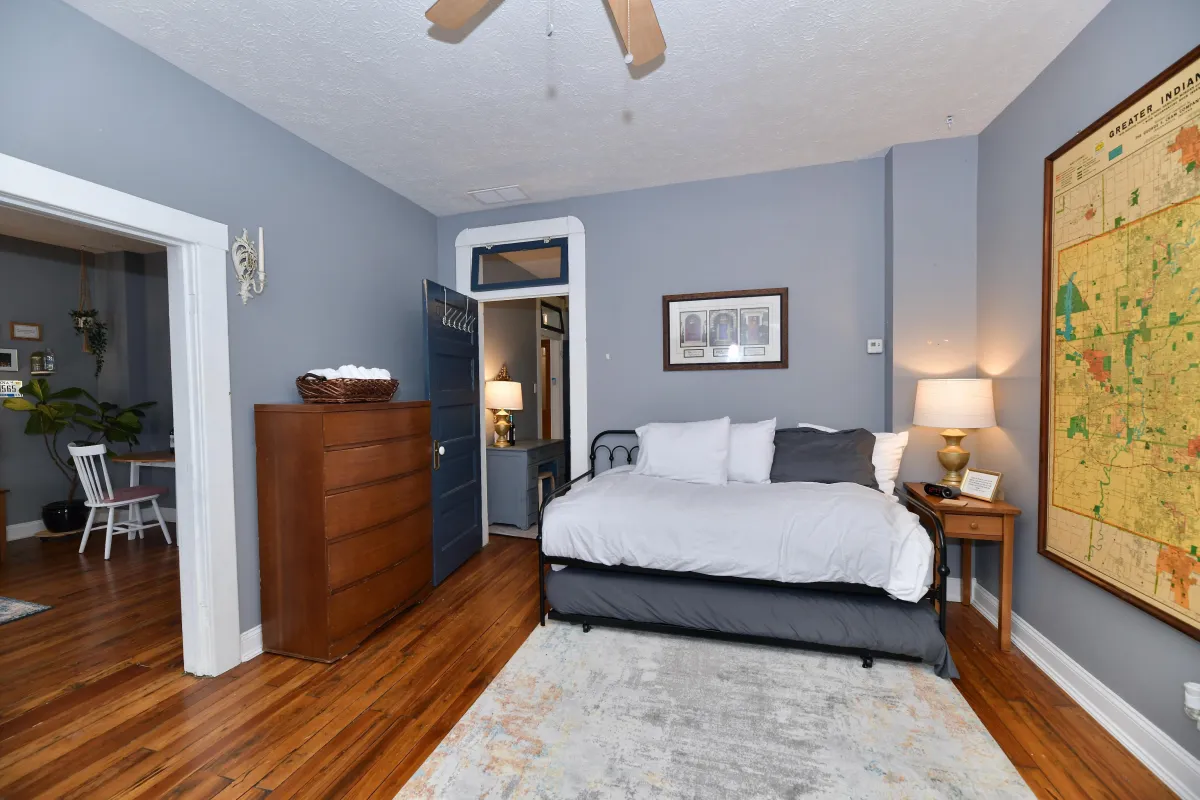
Mid-Term Rentals (30+ Day Stays): The Furnished Rental Strategy Investors Are Sleeping On
Mid-Term Rentals (30+ Day Stays): The "Goldilocks" Strategy You Might Be Sleeping On

If short-term rentals are the wood-fired pizza oven of real estate investing — hot, fast, and demanding constant attention — and long-term rentals are the slow cooker you mostly leave alone... then mid-term rentals are your air fryer. Efficient, surprisingly versatile, and honestly underrated by people who haven't tried it yet.
Mid-term rentals don't get nearly as much hype as Airbnb plays or buy-and-hold rentals. But for the right investor in the right market? They can be the sweet spot that most people walk right past.
Let's break down what they actually are, who they're for, and whether they deserve a spot in your strategy.
So What Is a Mid-Term Rental, Exactly?
A mid-term rental (MTR) is any furnished rental with a stay of 30 days or more — but shorter than a traditional 12-month lease. Think of it as the middle child of rental strategies. Not quite the chaotic guest-churn of a short-term rental, but not the long "set it and forget it" commitment of a standard lease either.
Common MTR stay lengths: 1 to 6 months.
And the people booking them? They're not tourists looking for a weekend getaway. They're:
🏥 Traveling nurses and medical professionals on contract assignments
💼 Corporate employees on temporary work relocations
👨👩👧 Families in transition — selling a house, waiting on a build, relocating
🏠 Insurance housing — people displaced from their homes due to damage or disaster
🎓 Interns and grad students needing a furnished place for a semester
These aren't people scrolling Airbnb looking for a cute place with a hot tub. They need a stable, furnished home base while their life is in a temporary holding pattern. That's a meaningful difference — and it shapes everything about how you operate.
The Income Picture: Better Than You'd Expect
Here's where it gets interesting. Mid-term rentals typically command higher monthly rates than long-term rentals — because you're providing a furnished, move-in-ready space — but without quite the same roller coaster as short-term rental revenue.
A rough comparison for the same property:
You're not going to hit the peak nightly rates of a busy Airbnb weekend. But you're also not fielding a 10pm text about the WiFi from a guest who checked in four hours ago. Tradeoffs, people.
Why Investors Like This Strategy
Let's get into the real reasons mid-term rentals have started gaining serious traction:
✅ Way Less Turnover Than Short-Term
With short-term rentals, turnover can happen multiple times a week. Every checkout means a full clean, restocking supplies, updating calendars, and hoping the next guests don't leave a glitter explosion in the bathroom.
With mid-term? Your tenant's staying for at least a month. Often several. Your cleaning schedule is dramatically more manageable, and you're not running a de facto hotel out of your investment property.
✅ More Stability Than Short-Term, More Income Than Long-Term
This is the "Goldilocks" appeal — not too hot, not too cold. You get more predictable monthly income than an STR that's at the mercy of seasonality and platform algorithms, but you're still earning above long-term rental rates because you're offering furnished, flexible housing.
✅ The Tenant Profile Is Often Really Strong
Traveling nurses. Corporate professionals. Insurance-placed families. These are generally people with stable income sources, a clear reason to be there, and motivation to be respectful tenants. They're not permanent residents setting down roots, but they also have no incentive to trash the place — they're professionals on assignment, not strangers from the internet on a bachelorette trip.
(No offense to bachelorette trips.)
✅ You Often Dodge Short-Term Rental Regulations
Cities across the country are cracking down hard on STRs — permit caps, owner-occupancy requirements, outright bans in certain zones. Most of those regulations target rentals under 30 days. Mid-term rentals, by definition, sit just outside that window. This matters a lot in markets where STR rules have gotten complicated.
Always verify local regulations — but this is a real and meaningful advantage in many cities.
What You Actually Need to Make It Work
Okay, real talk — because nothing in real estate investing is free money with zero effort.
🛋️ Furnishing Is Still Required (And It's Not Cheap)
Your MTR tenant isn't bringing a couch and a bed frame. They're arriving with a suitcase. That means you're responsible for:
Furniture (beds, couch, dining table, dresser)
Kitchen essentials (pots, pans, dishes, coffee maker — yes, always a coffee maker)
Linens, towels, and the basics
Fast, reliable WiFi (this is non-negotiable — it's basically a utility at this point)
Budget somewhere in the $5,000–$15,000+ range depending on property size. It's an upfront cost, but it's amortized over time — and it's what allows you to charge the premium rates that make this strategy work.
📍 Demand Is Market-Specific
This is the big variable. Mid-term rentals perform best in markets with:
Major hospitals or medical centers (traveling nurses are a huge driver)
Corporate campuses or business hubs
University towns (visiting faculty, semester students, research programs)
Relocation-heavy metros (cities people are moving to — hello, Indianapolis)
Areas with active insurance housing demand
Indianapolis, for what it's worth, checks several of these boxes — major healthcare systems, a growing corporate presence, and steady relocation activity. But this isn't a "works everywhere" strategy. Do your homework on local demand before you furnish a property and list it.
📋 Lease Setup Matters
Unlike short-term rentals where everything runs through a booking platform, mid-term rentals typically require a proper month-to-month or fixed-term lease for 30+ days. You're in actual landlord territory here — with tenant rights, security deposits, and local landlord-tenant law applying. Make sure your lease is tight, your documentation is solid, and you know what Indiana law says about this type of arrangement. (When in doubt: ask a local real estate attorney.)
📱 Where Do You List?
You're not just on Airbnb anymore (though Airbnb does have monthly stay options). The MTR world has its own platforms:
Furnished Finder — the go-to for traveling nurses and healthcare professionals
Airbnb (with monthly stay pricing)
VRBO (some monthly options)
Corporate housing networks
Direct outreach to local hospitals and companies
Furnished Finder in particular has become a heavy hitter for MTR investors because of its direct connection to the traveling healthcare professional market.
Quick Gut-Check: Is Mid-Term Your Move?
✅ This Might Be Your Lane If...
Your market has hospitals, corporate employers, or heavy relocation activity
You want more income than long-term, with less chaos than short-term
You're in a market with tight STR regulations — MTR often sidesteps those
You can handle furnishing upfront costs
You like the idea of a predictable tenant with a clear, professional reason for being there
⚠️ Pump the Brakes If...
Your market has low demand for temporary housing (rural, low-employment, minimal corporate presence)
You're expecting STR-level peak revenue
You want truly hands-off, no-furnishing, minimal-management investing (that's long-term buy-and-hold territory)
You haven't verified the local landlord-tenant laws for month-to-month furnished leases
The Bottom Line
Mid-term rentals aren't the flashiest strategy in the real estate investing world. They're not going to get you on a podcast about passive income in 6 months. But they're genuinely underutilized, particularly by investors who assume it's a binary choice between Airbnb chaos and a 12-month lease.
The sweet spot is real. Less turnover than short-term, better income than long-term, a strong tenant profile, and often friendlier regulatory terrain. If your market supports the demand — and Indianapolis has more demand drivers than most people realize — mid-term rentals deserve a serious look.
Do the market research. Run the numbers with real furnishing and vacancy costs. Understand the lease requirements. And if you want to talk through whether a specific property or neighborhood makes sense for this strategy in the Indy area — that's exactly what I'm here for. 🏡
Ready to explore what might work for your investing goals? Book a consult and let's figure it out together.